






















![MORE THAN A GAME. With two diving catches in the outfield, the Lions showed up defensively, aiding in their victory over the Pacers. One catch was made by Atwood, and the other by McGraw. Throughout the game, the Lions knew that it wasn’t just about their victory today. “I think [playing for cancer] makes it bigger than just a game,” McGraw said. “Knowing that you have a bigger impact in this world than just who you are as one person.”](https://wlhsnow.com/wp-content/uploads/2026/05/I70A1454-1-1200x800.jpg)



















![Students in the National Art Honor Society work on the Mount Hood mural on the window of SouthLake Church. The students brought a variety of paints and mixed their own custom colors. “Instead of brushstrokes, we’re doing more dabbing, because it gives [a] better impression of tree foliage, rather than looking like actual brush strokes, because if we’re painting trees, we need it to look like trees,” Crawford said.](https://wlhsnow.com/wp-content/uploads/2025/10/IMG_2397-1200x900.jpg)



*WEB CONTINUATION: This article originally appeared in Volume 106 Issue 1 of our news magazine, Amplifier.
Diverging from other sports, wrestling strictly focuses on the physical aspects of athletes’ bodies throughout the season. Wrestlers are separated by their weight class, so when facing their opponents in a duel there is an equal matchup. To ensure the preservation of their weight, athletes may have to cut or bulk before competing.
Cutting weight is a phenomenon most common in wrestling and has become a major part of the sport. To do this, athletes that want to compete in a lower weight class have to lose a certain amount of weight before weighing in prior to their tournament or duel. Rather than focusing on losing bodily fat, athletes try to lower their water weight by focusing on excessive exercise or restricting foods or liquids before competition.
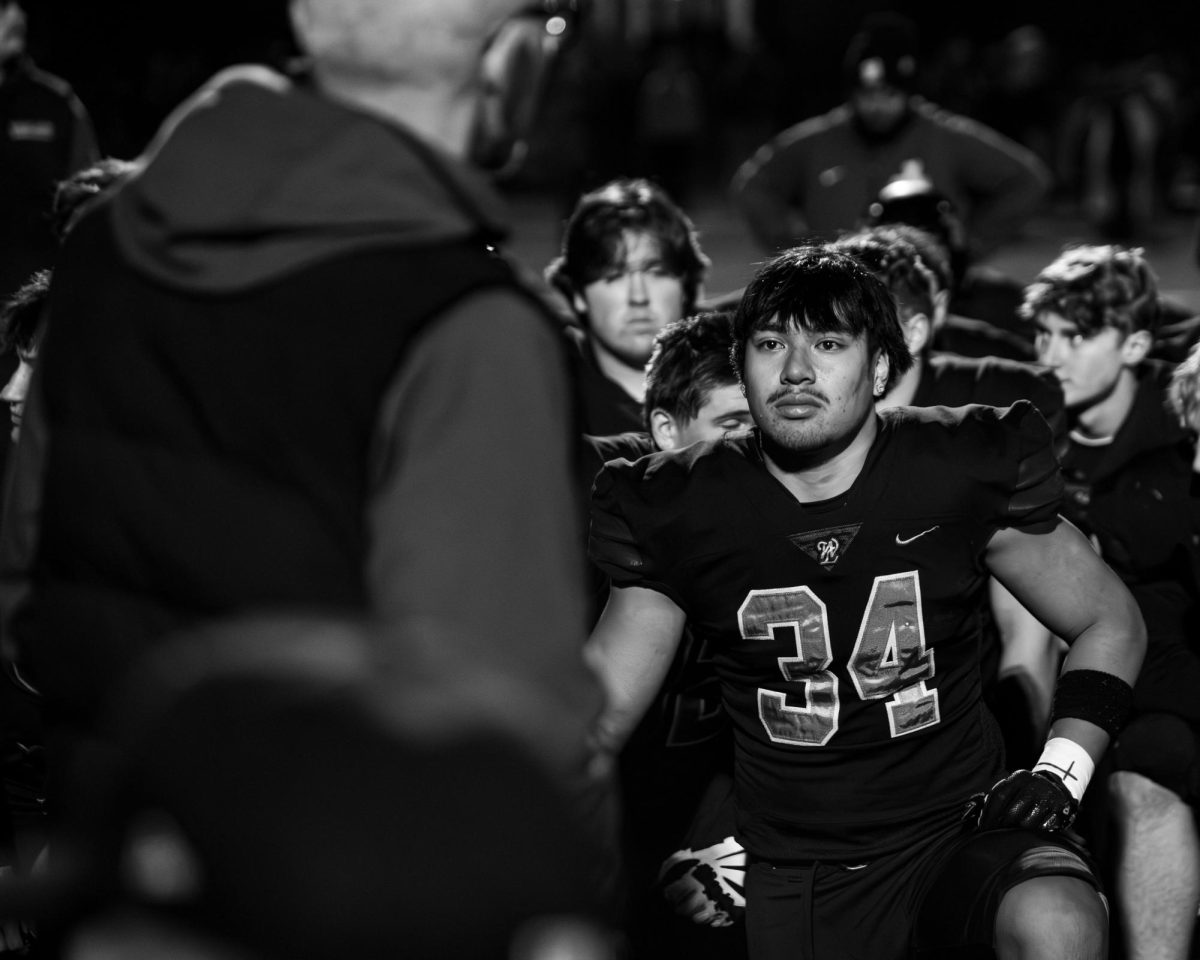
Max Bell, junior, has been on the school’s wrestling team for three years, and started the sport at four years old. As a seasoned wrestler, Bell has experience cutting weight and finds his body to adjust physically prior to a weigh in.
“When you’re cutting you get kind of tired close to the end of the cut,” Bell said. “But right after you weigh in, you refuel so you feel great.”
In contrast, four year varsity wrestler Ryder Sprague, senior, does not often cut weight for the sport and sees its negative impacts.
“I’ve never really been a fan of [bulking or cutting] just because I think that it takes the fun out of [wrestling] a lot,” Sprague said. “Having my dad and grandpa involved in wrestling, they really advise young athletes to not get into that stuff until high school because it can have really bad effects on you when you’re developing.”
When cutting weight, there are blueprint rules to follow: eat smaller portions than usual and alter food choices to healthier options. Wrestlers such as Bell follow their own plan when aiming to reach a certain weight.
“Mainly [to cut weight], I just eat clean and drink a lot of water. Compared to eating pizza, I’ll eat ground turkey and rice every meal. I’ll also drink a ton of water,” Bell said.
On the other hand, bulking is also a circumstance amongst wrestlers where athletes have to gain weight to fit a category. While it is less common, particular foods such as meats, peanut butter, bananas, avocado, and bread can be seen as quality bulk foods, while rice, lean meats, and water are good sources of nutrition for those looking to cut weight.
At the high school level, there is one athlete from each weight class on varsity, one athlete on junior varsity, and the remaining wrestlers compete in the novice category. When determining who to roster on varsity for a tournament, the athletes will decide themselves, therefore altering which, if any, wrestlers would cut weight for their duels.
“You know [to adjust weight] because of your weight class,” Bell said. “Our coaches will never tell us to cut weight; it’s always up to us. But as a team, we will make a decision. What’s the best lineup for this week? How do we match up with other teams? And that’ll depend on where we go.”
The way athletes cut weight can habit the same patterns seen through the eating disorder bulimia. This can be seen as excessive eating during various periods of time and then an immediate turnover by strictly dieting.
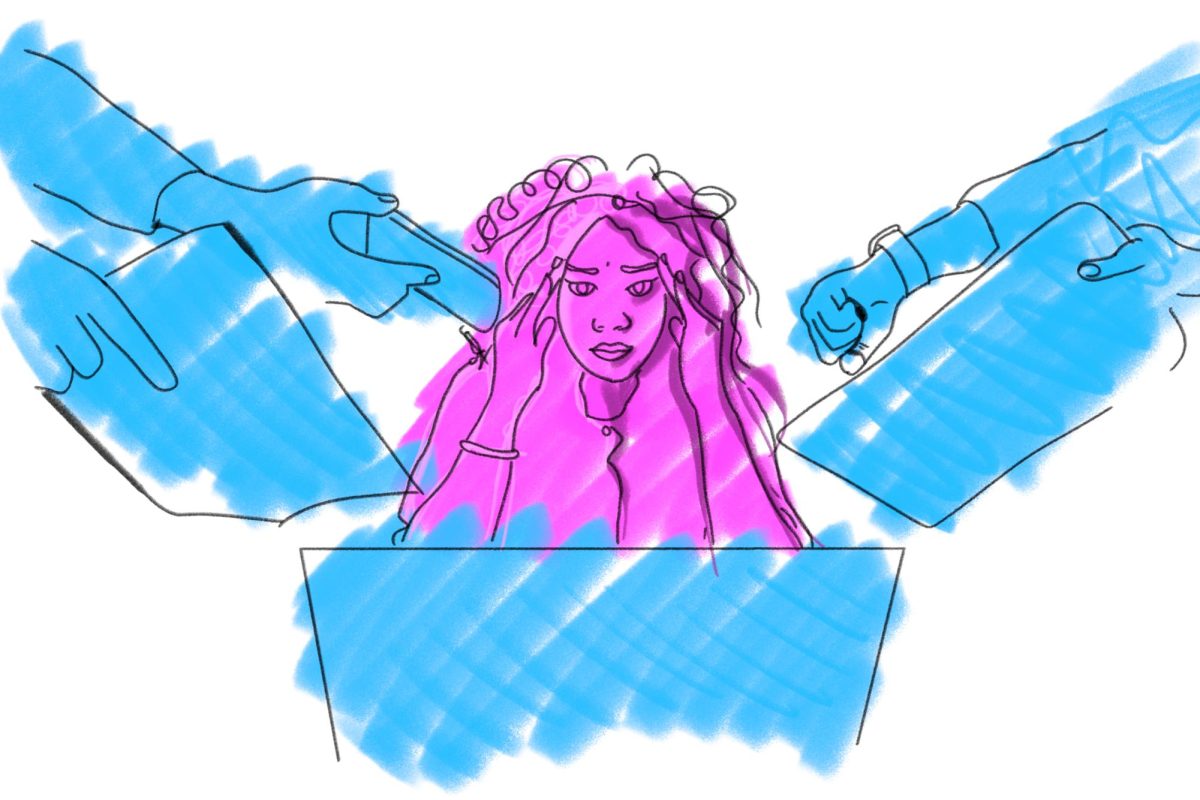
While wrestlers already have to battle the same issues as other athletes, they also have to face the challenges of physiological stressors through not eating as their bodies want. Bell acknowledges the potential mental difficulty, while also seeing how he is able to move past it.
“I would say [cutting] is a struggle mentally, but with our team camaraderie everybody’s always there for each other,” Bell said. “It’s hard to be down on yourself when the whole team’s going through it and we’re all there for each other.”
Justin Mariscal, sophomore, joined the wrestling team after being urged to by the coaches during a football practice. Now a multi-sport athlete, Mariscal has seen first hand the process some wrestlers undergo to cut weight.
“It’s kind of hard, but if you have discipline, you can get there easily,” Mariscal said. “They’ll be wrestlers two pounds over [their weight class], and they’ll eat a full breakfast, full dinner, full lunch, everything. But then, by some miracle, they’ll know how to cut all that weight off in two days.”
Sprague, like most wrestlers, has had to quickly adjust their weight prior to a duel, but hasn’t fallen victim to cuttings’ negative effects.
“It’s pretty easy for me to not develop bad habits because there’s a couple of times where I couldn’t eat for a day because I couldn’t make my weight class,” Sprague said. “I think there’s some good to [cutting], but overall it’s not a good part of the sport and the ugliest part of wrestling.”
As a whole, cutting and bulking can be seen as a solely negative thing when it comes to the harm it does to athletes. Whether it’s mental or physical, there are potentially extreme results due to a strenuous process. Simultaneously, to go through this system is a powerful journey in itself.
“It’s really weird because it’s nothing like any other sports where you have to not eat or drink something for a couple days,” Sprague said. “It’s an interesting component and takes a lot of mental toughness, grit, and discipline to be able to do that.”

