








![MORE THAN A GAME. With two diving catches in the outfield, the Lions showed up defensively, aiding in their victory over the Pacers. One catch was made by Atwood, and the other by McGraw. Throughout the game, the Lions knew that it wasn’t just about their victory today. “I think [playing for cancer] makes it bigger than just a game,” McGraw said. “Knowing that you have a bigger impact in this world than just who you are as one person.”](https://wlhsnow.com/wp-content/uploads/2026/05/I70A1454-1-1200x800.jpg)










![Students in the National Art Honor Society work on the Mount Hood mural on the window of SouthLake Church. The students brought a variety of paints and mixed their own custom colors. “Instead of brushstrokes, we’re doing more dabbing, because it gives [a] better impression of tree foliage, rather than looking like actual brush strokes, because if we’re painting trees, we need it to look like trees,” Crawford said.](https://wlhsnow.com/wp-content/uploads/2025/10/IMG_2397-1200x900.jpg)




*WEB CONTINUATION: This article originally appeared in Volume 106 Issue 2 of our news magazine, Amplifier.
Over the years, the West Linn-Wilsonville school district (WLWV) has worked to interrupt biased language with students.
Biased language is described as words, phrases, and sentences that create stereotypical views towards specific people or groups on things like race, gender, culture, religion, age, abilities, and other kinds of identities.
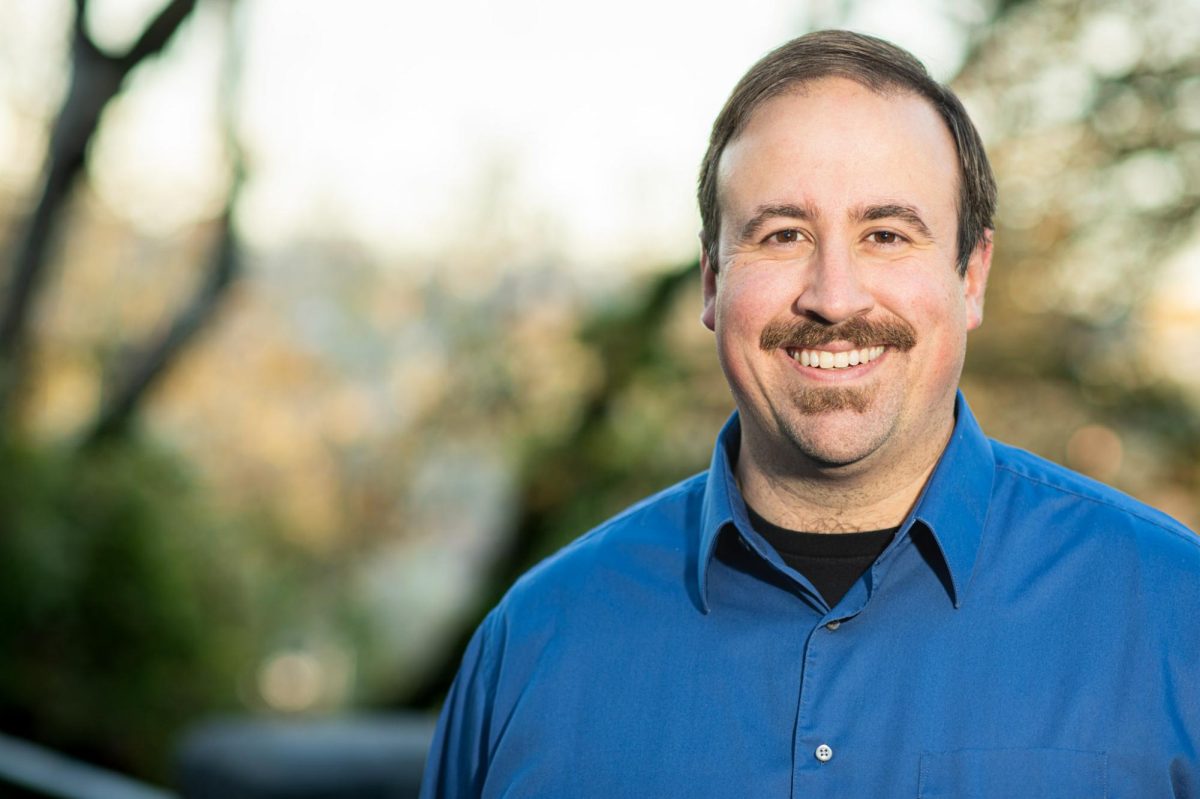
As a way to counteract the bias, Matt Cutler, creative engagement specialist and Life teacher, met with Trevor Menne, West Linn High School principal, administrators from across the district, and members of the staff equity team to create the interrupting bias lesson, which was taught the week after Thanksgiving break at all high schools in the district.
“We have gotten some feedback from students that they’re experiencing bias on campus, that they’re experiencing sexism, racism, homophobia, and they asked us to help empower them, and also help to call that stuff out and catch it, and make a safer, more inclusive campus,” Cutler said. “The idea is that most people think this kind of bias is wrong and hurtful, but it’s hard sometimes to know what to say in the moment. Most people, I think, do want to interrupt that kind of thing or stop it from happening. They don’t want to see [themselves], their friends, or their siblings as the targets of those things. The idea was to give really simple, concrete strategies that students could practice and then use when teachers can’t hear something.”
Prior to the lesson, staff across the WLWV district went through their own training on this same topic, and what to do if they were to encounter bias language. The slideshow teaches multiple ways students can speak up while simultaneously encouraging them to do it. Katie Dehlin, senior, heard about the lesson a few weeks in advance from her Life class teacher.
“It’s more impactful for people to hear that it’s not just staff, that it’s students who are wanting this to happen, and that just because it doesn’t impact you doesn’t mean that it’s not impacting a bunch of your friends,” Dehlin said.
Kiera Kuehn, junior, agreed with the need for the lesson, but wasn’t a fan of how the lesson itself was taught to the students.
“It’s a good idea, because it is an issue, particularly in the school, and particularly, in my opinion, with this age demographic and this day and age. But the way that it was [taught] felt a little infantilizing to me,” Kuehn said. “It felt like it wasn’t taking us seriously as people who can recognize when we are wrong, and people who were getting close to going out into the professional world, if we haven’t already. There are plenty of people I know who have jobs, and through that, you’re broadening your horizons. You’re making more connections. It’s important to understand how the world works and what you can and can’t say. This lesson was a really good idea, but it needs to be changed. It needs to be made a little bit more mature, and it needs to talk more about the impacts and more about the why, rather than just how you respond if you experience it.”
Alongside the slideshow, students were given a paper to fill out while following along.
“I was hoping that it would empower students to call out people more often and make people feel more comfortable about that,” Dehlin said. “As someone who’s had to call out people in my classes often, it’s really disheartening to see no one else doing that same thing. If you yourself do it too many times, it loses its impact. So when multiple people are calling out behavior, it makes it go away faster. I was just hoping that we, as a school community, would further accept that it’s okay to call people out and that that won’t have any effect on you, especially since people like Blake [Williams, the Associated Student Body Adviser,] and a lot of our teachers are really wanting us to call this out because they can’t hear everything.”
The lesson followed closely with the Southern Poverty Law Center’s (SPLC) resources on speaking up at school. The SPLC lesson goes into most aspects of biased language. However, the main lesson taught in Life class was about how to counteract it, rather than going into the why.
“They focused so much on what to say when someone else does it. I don’t think that that’s a bad idea, but I think that it’s such a small piece, and it’s not necessarily where I would start,” Kuehn said. “You want to start with contextualization. Why this is important, and so I think that that is a really important lesson that we haven’t fully had yet, that I hopefully look forward to seeing at some point.”
In the future, there is a possibility that this lesson will come back and be taught in a different format. For now, students are able to report incidents and provide feedback by filling out the bias incident report form or telling an administrator.
“I hope that students know that we’re trying our best, and we really do want to hear feedback,” Cutler said. “If there’s something about the lesson that they think we could do better, we’re definitely all ears.”